MSP Inbound Marketing

MSP marketing playbook for converting strangers into paying clients.

Inbound marketing puts your MSP in front of business owners at the moment they start looking for IT help. Then it stays in front of them until they’re ready to talk. This guide explains how it works, how it compares to outbound, and the strategies that are effective in 2026.

Rated 5 of 5 stars

The Problem

Referrals are unpredictable. Outbound reaches people who aren’t buying. Neither captures in-market demand.

Most MSPs grow on two engines: referrals from happy clients, and outbound from cold calling and direct response campaigns. Both can close new clients. But neither tactic reaches buyers while they’re actively looking.

Referrals

Referrals come when they come, not when you need them.

53% of MSPs say client referrals and word of mouth are their top growth channel. Referrals close well because trust is already there. But you can’t control how many you get, when they arrive, or whether they fit your ideal client. One dry quarter and your growth plan is off track. You also can’t steer where referrals come from. They tend to bring more clients like the ones you already have, which makes it hard to move up-market into 100+ seat fully managed or co-managed deals.

Outbound

Outbound buys attention. It doesn’t build demand.

Cold calls, cold email and appointment-setting firms can book meetings fast. But most of the people you reach aren’t looking for a new IT provider today. That means lots of activity for few closed deals (which is especially challenging for MSPs running a founder-led sales motion). Research from HockeyStack found only 17% of qualified outbound opportunities turn into revenue, and every new meeting costs the same as the last one.

Outbound vs Inbound: close rate and sales cycle

Share of qualified opportunities that turn into revenue, and average days to close

Qualified opportunities that turn into revenue

Outbound

17%

Inbound

28%

Average sales cycle

Outbound

82 days

Inbound

54 days

1.7x

Higher Close Rate

28 days

Faster To Close

Inbound deals close more often and about a month sooner, because the buyer came to you with a problem already in mind.

Source: HockeyStack, Marketing Influence on Outbound Deals (December 2025). Data from 50+ B2B companies, January 2023 to February 2024.

The Solution

Attract, nurture and convert in-market buyers looking for a new IT provider.

The goal of MSP inbound marketing is to make your MSP the obvious choice for businesses that are ready to switch providers. Outbound interrupts decision-makers who aren’t looking. Inbound does the opposite. It makes sure you’re visible when they start searching, positions you as the best option while they research, and makes it easy to get started when they’re ready to decide. It’s a pull motion from start to finish.

In our experience running MSP lead generation campaigns, effective inbound marketing needs three stages working in unison. The first stage, attract, wins the attention of in-market buyers through search visibility. The second, nurture, keeps you visible throughout their research and positions your MSP as the obvious partner to work with. The final stage, convert, makes the first step of working with you easy to take and low in risk.

28% of inbound sales opportunities become paying clients, compared with 17% from outbound. Inbound deals also close 28 days faster.

01 Visibility 02 Retargeting 03 Email nurture 04 Meetings ATTRACTNURTURECONVERT Google organicLocal pack + organic results Google AdsPaid search on buyer keywords AI search Retargeting Email nurtureGuide & case study downloads Booked meetingWith a qualified prospect 01 VisibilityATTRACT 02 RetargetingNURTURE 03 Email nurtureNURTURE 04 MeetingsCONVERT Google organicLocal pack + organic results Google AdsPaid search on buyer keywords AI search Retargeting Email nurtureGuides & case studies Booked meetingWith a qualified prospect

The strategies

The strategies behind each stage of MSP inbound marketing.

Each stage uses a few proven channels. Here’s what each one does, how it works for an MSP, and where it fits in the system.

Attract

01 / 07

Google Organic

Search is still where business buyers start. A 2026 survey by Reddit and SurveyMonkey found 57% of US business decision-makers use search engines during early research, more than any other channel. Ranking for searches like “managed IT services [city]” puts you on the shortlist before a competitor gets the call.

Why it matters: Organic rankings are an asset. Once you rank, every click is free, and the leads keep coming each month.

Attract

02 / 07

Google Ads

Paid search puts you at the top of Google today, while your organic rankings are still building. You only pay when a buyer clicks.

Why it matters: Google Ads is the fastest way to start inbound. It also shows you which searches convert, so your SEO targets the right ones.

Attract

03 / 07

AI Search

94% of business buyers now use AI during their buying process, according to Forrester. Business owners now ask ChatGPT, Gemini, Claude and Google’s AI answers to recommend IT providers. If AI doesn’t mention you, you’re not on the shortlist.

Why it matters: AI search is the newest place buyers build shortlists. Getting in early is easier than catching up later.

Nurture

04 / 07

Email Marketing

Email turns a guide download or a newsletter signup into a relationship. A short sequence of useful emails builds trust before the first sales call.

Why it matters: Email is cheap to run and you own the list. When a prospect’s contract comes up for renewal, your name is already in their inbox.

Nurture

05 / 07

Retargeting Ads

Retargeting shows your ads to people who have already visited your website. It reminds them you exist while they compare options.

Why it matters: MSP decisions often involve an owner, an office manager and a finance lead. Retargeting reaches all of them, not just the person who searched.

Convert

06 / 07

Promotions & Guarantees

Switching IT providers feels risky. A clear guarantee or a time-limited promotion gives a prospect a reason to act now instead of next quarter.

Why it matters: Most buyers stay with a provider they’re unhappy with because switching feels like a gamble. A guarantee takes the gamble away.

Convert

07 / 07

Cybersecurity Assessments

A free cybersecurity assessment gives prospects something valuable before they commit. It also shows them the gaps their current provider has missed.

Why it matters: An assessment turns a sales call into a consultation. Prospects see real risks in their own business, which makes the case for switching for you.
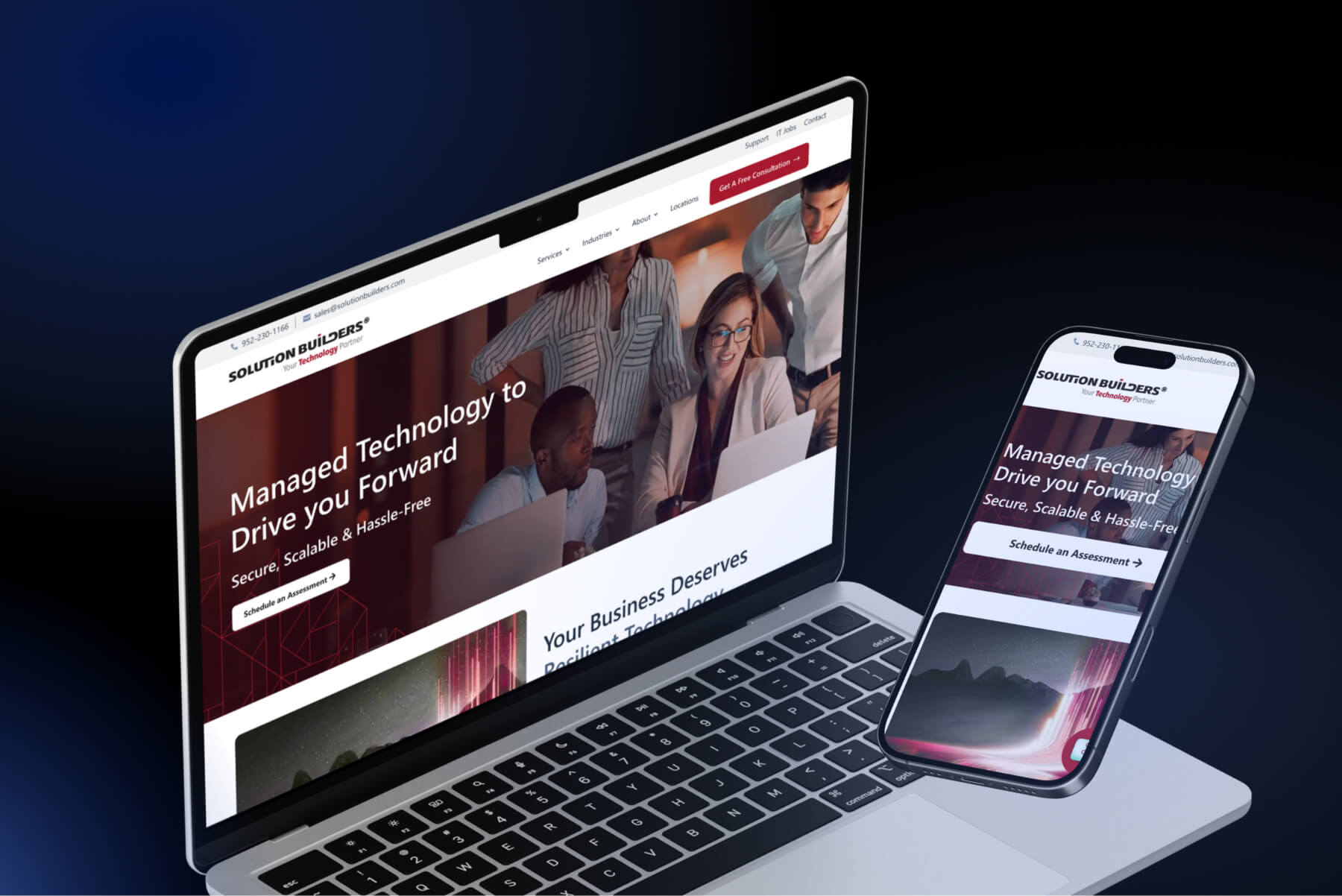
Inbound Case Study

$500k pipeline in 90 days with our MSP lead generation services.

Dyad Marketing partnered with a Minneapolis-based MSP to implement an aggressive lead generation campaign. Rather than spending tens of thousands per month on paid search,  we leveraged an aggressive SEO and AEO strategy to attract in-market buyers and position the client as a trusted voice in the local market. Within 90-days, the campaign generated over 30 qualified leads contributing to $500k in pipeline.

Case-study-V2 (1)

Frequently asked questions.

Common questions MSPs ask about inbound marketing.

What is MSP inbound marketing?

It’s a way of winning new clients by being found when businesses search for IT help, then building trust until they’re ready to talk. Instead of cold calling, you attract buyers through Google and AI search, nurture them with email and retargeting, and convert them with low-risk offers.

What’s the difference between inbound and outbound marketing?

Outbound reaches out to people who aren’t looking, through cold calls, cold email or purchased lists. Inbound reaches people who are already looking. Inbound leads tend to cost less and close more often because the buyer starts the conversation.

How long does inbound marketing take to work for an MSP?

Google Ads can bring leads within the first few weeks. SEO usually takes a few months to build, and then it keeps producing leads without extra spend per click. Most MSPs run both, so paid search covers the gap while rankings grow.

Does inbound marketing replace referrals?

No. Referrals stay valuable, and inbound adds a second source you can control and scale. Many referred prospects also check your website and reviews before they call, so inbound helps referrals close too.

Is inbound marketing worth it for a small MSP?

Yes, if you serve a clear market. A small MSP can rank for its own city and service area without competing with national providers. Start with Google Ads and local SEO, then add nurture and conversion strategies as leads come in.

Ready to build an inbound engine for your MSP?

Book a strategy call and we’ll show you where your next clients are searching, what your competitors are doing, and which inbound strategies will work fastest in your market.


Thought leadership and featured resources.

Stay current with the latest insights relating to SEO, AEO, lead generation, and other digital marketing topics.